
Improving Supply Chains: A Hidden Strategy Against Inflation
Improving Logistics And Supply Chains: A Hidden Way To Combat Price Increases
Inflation is often explained through interest rates, energy shocks, or consumer demand. But there’s another factor that rarely makes headlines: logistics. The way goods move from factory floors to store shelves influences final prices more than most people realize. Delays, bottlenecks, poor infrastructure, and outdated systems all add hidden costs. When supply chains improve, products move faster, more reliably, and at lower cost. That efficiency translates directly into smaller price tags for consumers. Modernising logistics may not sound as dramatic as raising rates or cutting taxes, but it quietly reshapes how affordable goods and services become.
Why Logistics Shapes Prices
Every product carries a trail of costs before it reaches you. Raw materials must be transported, processed, and shipped. Finished goods must be stored, distributed, and sold. If any part of that chain is inefficient, the cost grows. A delayed shipment raises storage costs. Poor roads increase transport expenses. Unreliable ports slow international trade. These inefficiencies don’t stay hidden—they are passed to consumers. Improving logistics cuts waste and reduces uncertainty, meaning companies don’t have to build higher risk premiums into prices. In this way, better supply chains act as invisible brakes on inflation.
The Multiplier Effect
Efficient logistics reduce costs not only for one company but for whole industries. When many businesses benefit, the wider economy feels the relief in slower price increases.
Where Inefficiencies Come From
Modern supply chains are complex and global. That complexity creates multiple points of vulnerability. Outdated infrastructure, like congested roads or aging rail systems, slows movement. Insufficient storage capacity forces higher costs when demand peaks. Poor digital systems make tracking and coordination harder, leading to delays and miscommunication. Even small problems accumulate across millions of shipments, creating systemic cost pressures. Fixing these inefficiencies doesn’t just improve convenience—it reshapes the inflation curve by making it cheaper to get goods from producers to consumers.
External Shocks
Global events like pandemics or trade disputes expose how fragile supply chains can be. In such times, inefficiency magnifies disruption, while robust systems cushion the blow.
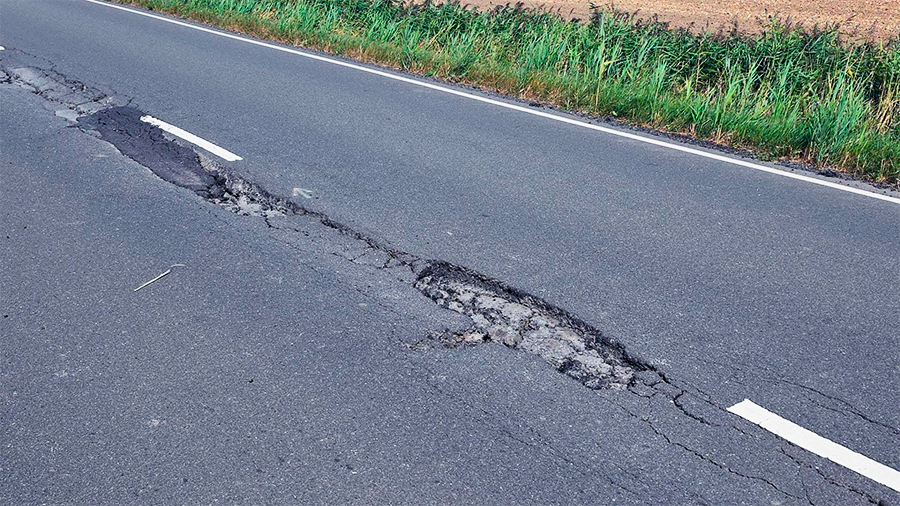
Infrastructure As A Tool Against Inflation
Investing in logistics infrastructure may not seem like anti-inflation policy, but it works that way. New highways, modernized ports, expanded warehouses, and advanced rail networks all reduce costs over time. These investments lower transport and storage expenses, speed up delivery, and improve reliability. For consumers, this translates into steadier prices even when global markets fluctuate. Unlike subsidies or temporary tax cuts, infrastructure projects have lasting effects. They set a foundation that keeps supply moving smoothly for decades, lowering the baseline cost of goods and services.
| Logistics Improvement | Direct Effect | Impact On Prices |
|---|---|---|
| Better Roads And Rail | Faster and cheaper transport | Lower delivery costs, reduced fuel expenses |
| Modernized Ports | Quicker customs and shipping | Reduced delays and storage costs |
| Digital Tracking Systems | Efficient coordination and fewer errors | Reduced losses, smoother supply |
| Expanded Warehouses | More capacity for storage | Lower peak-season price spikes |
Long-Term Stability
Unlike monetary policy, which reacts to inflation after it rises, infrastructure prevents inflationary pressure from building in the first place.
How Businesses Benefit
For businesses, smoother logistics mean predictability. Reliable delivery schedules reduce the need to hold large inventories. Lower storage and transport costs increase margins, allowing companies to keep prices competitive without sacrificing profit. Firms that can depend on strong supply chains also plan expansion more confidently. This reduces the boom-and-bust cycles that occur when supply bottlenecks drive sudden cost increases. As efficiency grows, the pressure to pass costs on to consumers shrinks, easing inflationary trends across markets.
Competitive Advantage
Companies operating in regions with efficient logistics gain an edge over those in less developed systems, both locally and globally.
The Consumer Angle
For consumers, improved logistics show up as fewer price shocks. Food costs stay more stable when transport is cheap and storage is reliable. Imported goods cost less when ports operate efficiently. Even services—like delivery or retail—become cheaper when supply chains are optimized. Households may not see the infrastructure itself, but they feel the results every time their weekly budget stretches further. That’s why logistics, though hidden, directly influence daily inflation experience.
From Warehouse To Wallet
Every improvement in efficiency, from better trucks to smarter data systems, eventually filters down to the consumer bill.
Risks Of Ignoring Logistics
Neglecting logistics infrastructure makes economies vulnerable. Congested ports, broken roads, and outdated IT systems force higher costs. In saturated credit economies, where households already borrow to cope with expenses, rising logistics costs quickly turn into visible inflation. Businesses stuck with inefficient supply chains may cut investment or relocate, weakening long-term growth. Ignoring logistics means inflationary pressures build silently until they erupt in price spikes that monetary policy alone struggles to contain.
Hidden Costs
The true cost of poor logistics is not only higher prices but also missed opportunities for growth and resilience.
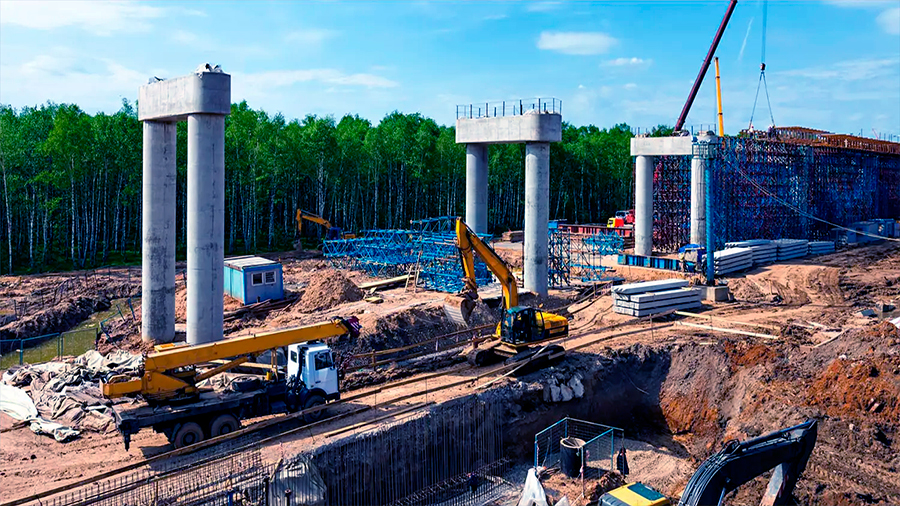
Examples From Around The World
Global case studies show the role logistics play in inflation. In Europe, investment in high-speed rail freight reduced transport costs and stabilized prices for manufactured goods. In Asia, modernization of ports allowed faster throughput, lowering costs of exports and imports alike. In Africa, improved road corridors reduced food inflation by cutting spoilage and transport delays. These examples prove that logistics improvements directly shape how affordable everyday products become, regardless of geography.
Local Lessons
Even within one country, regions with stronger infrastructure often show lower inflation in essentials compared to areas still dependent on outdated systems.
The Role Of Technology
Digital systems are as important as physical ones. AI-powered tracking, predictive analytics, and blockchain for supply verification all reduce errors and increase efficiency. Technology allows real-time adjustments to avoid bottlenecks, making supply chains more flexible. Smart systems also cut waste, ensuring fewer losses that push up costs. As logistics digitize, transparency improves, giving businesses and consumers confidence in pricing. Over time, this technological layer becomes as crucial as highways and warehouses in keeping inflation under control.
Future-Proofing Supply Chains
Technology reduces uncertainty, which lowers the hidden “risk premium” businesses often add to prices in inefficient systems.
Policy Implications
Governments that treat logistics as central to inflation control can reduce price pressures without blunt tools like sudden interest rate hikes. Investing in roads, ports, rail, and digital networks pays off by keeping prices stable and businesses competitive. Policies that encourage private investment in logistics, alongside public projects, spread costs and accelerate improvements. For economies facing recurring inflation, this approach offers a quiet but powerful alternative: instead of constantly fighting inflation with monetary policy, prevent it by ensuring goods flow efficiently from producers to consumers.
Beyond Short-Term Fixes
Logistics modernisation builds permanent resilience against inflation, while subsidies or caps fade once removed.
The Conclusion
Improving logistics and supply chains may not sound like classic inflation policy, but it plays a hidden, decisive role. Efficient transport, modern storage, and smart technology reduce the cost of moving goods, cutting the hidden layers that inflate prices. For businesses, this means healthier margins and sustainable growth. For consumers, it means steadier bills and fewer shocks. And for governments, it offers a long-term way to keep inflation under control without relying solely on monetary levers. The next time prices rise, the solution may not lie in central bank decisions alone, but in the quiet work of trucks, warehouses, and digital systems moving goods more efficiently across the world.